


eMonitor vs Teramind 2026: Complete Feature-by-Feature Comparison
eMonitor vs Teramind is one of the most common evaluations for teams shopping for employee monitoring software in 2026. eMonitor is an AI-powered employee monitoring and productivity platform that combines workforce analytics, time tracking, and DLP in one tool at $4.50 per user per month. Teramind is an enterprise-focused insider threat detection and user behavior analytics platform starting at $15 per user per month. This comparison breaks down every meaningful difference so you can decide which one fits your team, your budget, and your monitoring philosophy.
Companies Trust eMonitor
Capterra Rating (57 Reviews)
Per User, Per Month
Average Setup Time
eMonitor vs Teramind: Quick Comparison Table
Before diving into the details, here is the high-level comparison across the twelve factors that matter most when choosing between eMonitor and Teramind. This table reflects publicly available data from each vendor's website, G2, Capterra, and Software Advice as of April 2026.
| Factor | eMonitor | Teramind |
|---|---|---|
| Starting price | $4.50/user/month | $15/user/month (cloud) |
| Free trial | 7 days, full features | 7 days, limited to 5 users |
| Deployment | Cloud only | Cloud, on-premise, private cloud |
| Setup time | Under 5 minutes | 30-60 minutes (cloud); days (on-prem) |
| Screen monitoring | Screenshots, screen recording, live view | Screenshots, screen recording, live view, video playback |
| Time tracking | Full module: timesheets, overtime, payroll export | Basic active/idle time only |
| Data loss prevention | USB, file, upload/download monitoring | Advanced DLP with OCR, content rules, clipboard inspection |
| Insider threat detection | Behavior alerts, suspicious activity flags | Advanced behavior rules engine, risk scoring, forensic timeline |
| Productivity analytics | AI-powered scoring, heatmaps, category analysis | Productivity reports, app categorization |
| Employee self-service | Personal dashboard with full visibility | Limited; primarily admin-facing |
| Platform support | Windows, macOS, Linux, Chromebook | Windows, macOS, terminal server |
| Best for | SMBs and mid-market (5-500 employees) | Enterprises and regulated industries (100-10,000+) |
The quick verdict: eMonitor is the stronger choice for organizations that want comprehensive productivity monitoring, built-in time tracking, and workforce analytics at an accessible price. Teramind is the stronger choice for organizations where insider threat detection, regulatory compliance forensics, and advanced DLP are the primary requirements.
eMonitor vs Teramind Pricing: Total Cost of Ownership
Pricing is the single largest differentiator between eMonitor and Teramind. The gap is not marginal; it is structural. Teramind positions itself as an enterprise security product, and the price reflects that positioning. eMonitor delivers comparable monitoring depth at what Gartner calls the "democratized" pricing tier for workforce intelligence tools.
Plan-by-Plan Breakdown
eMonitor offers three tiers: Starter at $4.50/user/month, Professional at $6.90/user/month, and Enterprise at $13.90/user/month (all billed annually). Teramind offers three packages: Starter at $15/user/month, UAM (User Activity Monitoring) at $25/user/month, and DLP at $30/user/month for cloud deployment. On-premise pricing adds a per-endpoint license fee on top of the subscription.
Real Cost at Scale
For a 100-employee organization, the annual cost comparison looks like this:
| Team Size | eMonitor (Professional) | Teramind (UAM) | Annual Savings with eMonitor |
|---|---|---|---|
| 25 employees | $2,070/year | $7,500/year | $5,430 (72% less) |
| 50 employees | $4,140/year | $15,000/year | $10,860 (72% less) |
| 100 employees | $8,280/year | $30,000/year | $21,720 (72% less) |
| 250 employees | $20,700/year | $75,000/year | $54,300 (72% less) |
| 500 employees | $41,400/year | $150,000/year | $108,600 (72% less) |
At 500 employees, the difference exceeds $100,000 per year. That budget gap funds additional tooling, dedicated IT headcount, or direct reinvestment in team growth. The question every buyer must answer honestly: does Teramind's advanced insider threat engine justify a 3.3x price premium for your specific use case?
Hidden Costs to Consider
Teramind's on-premise deployment adds infrastructure costs that cloud-only buyers do not encounter: server provisioning, maintenance, IT administration time, and upgrade management. Teramind also requires more administrative overhead to configure behavior rules, content policies, and DLP rulesets. eMonitor's configuration takes minutes because the defaults are production-ready. Teramind's configuration can take days to weeks for a full enterprise rollout, according to G2 reviewer feedback (Source: G2 Teramind reviews, Q1 2026).
eMonitor vs Alternatives — This Week
Capability score
Coverage
▲ Full feature parity at roughly half the cost of alternatives.
Illustrative eMonitor dashboard.
Feature-by-Feature Comparison: eMonitor vs Teramind
Price differences only matter if the features justify them. Here is a detailed comparison of the six feature categories that buyers evaluate most when comparing eMonitor and Teramind: screen monitoring, productivity analytics, time tracking, data loss prevention, alerting, and reporting.
Screen Monitoring and Visual Oversight
Both eMonitor and Teramind capture screenshots at configurable intervals, support live screen viewing, and record screen activity for review. eMonitor adds multi-monitor support and screenshot blur for privacy protection. Teramind includes video-quality screen recording with playback controls and OCR (optical character recognition) on captured screens, enabling text search across visual data. This OCR capability is valuable for compliance teams investigating specific document access or data exfiltration.
For organizations focused on productivity verification and quality assurance, eMonitor's screenshot and screen recording capabilities are more than sufficient. For organizations conducting forensic investigations or regulatory audits that require searching screen content by keyword, Teramind's OCR-enabled recording is a genuine differentiator.
Productivity Analytics and Workforce Intelligence
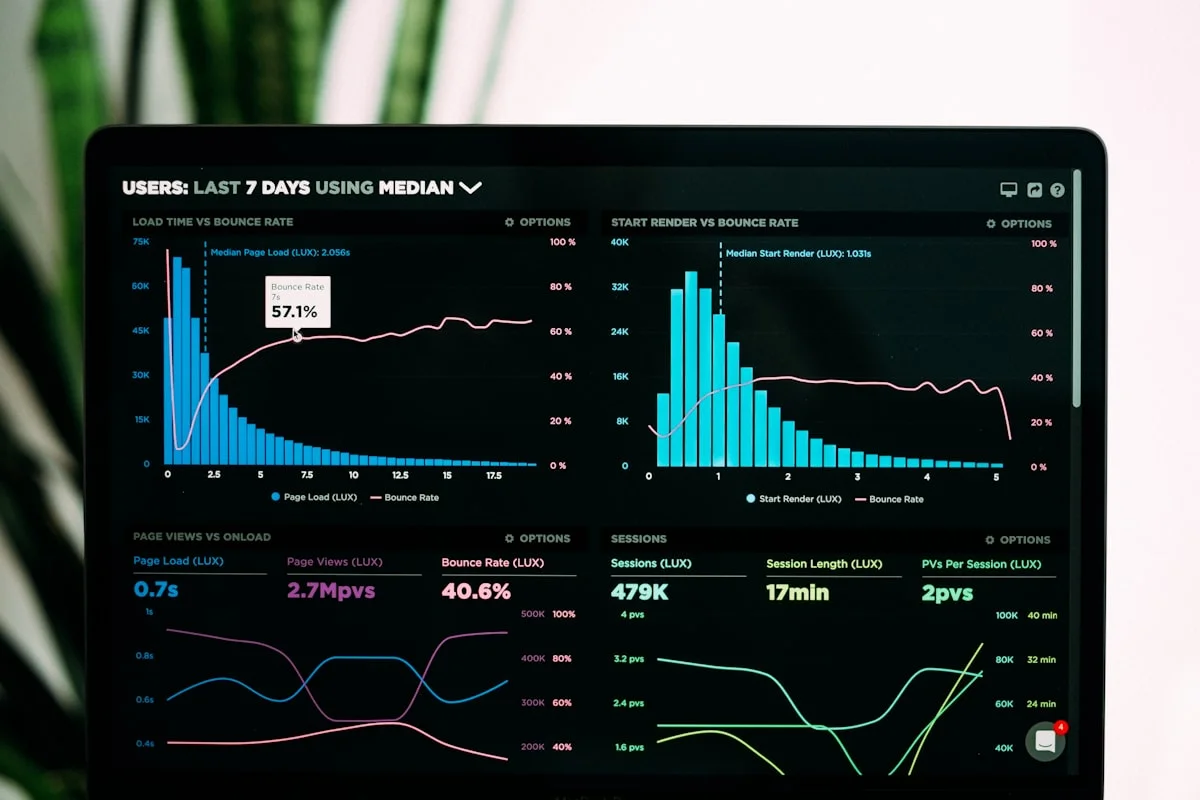
eMonitor's productivity analytics classify applications and websites as productive, non-productive, or neutral based on role-specific rules. The platform generates color-coded heatmaps, activity intensity graphs, timeline views with hour-by-hour breakdowns, and team-vs-individual productivity comparisons. eMonitor's AI engine identifies patterns, flags productivity drops, and detects early burnout signals through sustained overload and declining activity metrics.
Teramind categorizes applications and generates productivity reports but lacks eMonitor's depth in AI-driven pattern recognition, attrition prediction, and workforce intelligence. Teramind's analytics focus on security behavior patterns rather than productivity optimization. If your primary goal is understanding how your team works and where to improve processes, eMonitor's analytics are more detailed and actionable.
Time Tracking and Timesheet Management
This is one of the clearest gaps between the two platforms. eMonitor includes a full time tracking module: automatic time capture, one-click task timers, manual time logging, billable vs. non-billable classification, overtime calculation, break scheduling, timesheet auto-generation, and payroll-ready exports. Teams using eMonitor eliminate the need for a separate time tracking tool entirely.
Teramind tracks active time and idle time as part of its user activity monitoring but does not offer dedicated time tracking features. There are no timesheets, no billable hour classification, no overtime rules, and no payroll exports. Organizations using Teramind still need a separate time tracking solution, which adds both cost and data fragmentation.
Data Loss Prevention and Security Monitoring
Teramind's DLP capabilities are its strongest feature area. The platform offers content-aware rules that inspect clipboard data, file transfers, email content, print jobs, and screen content using OCR. Teramind's behavior rules engine lets administrators create complex conditional triggers (e.g., "if employee copies more than 50 records from CRM within 10 minutes, alert and block"). Risk scoring assigns threat levels to individual users based on accumulated behavior patterns.
eMonitor provides DLP monitoring through USB device detection, file activity tracking (creation, modification, deletion), upload/download violation alerts, website access violation logging, and suspicious activity detection with instant alerts. eMonitor's DLP covers the data protection needs of most organizations, particularly those in the 25-500 employee range that need protection without building a full security operations workflow.
We are honest about this: if your organization handles classified data, operates under ITAR/EAR regulations, or faces advanced persistent threats, Teramind's DLP is more appropriate. If your goal is preventing casual data leaks, monitoring USB usage, and maintaining basic compliance, eMonitor's DLP delivers that at a fraction of the cost.
Alerts, Notifications, and Response Automation
eMonitor sends real-time alerts for incomplete work hours, late logins, idle time, productivity drops, non-productive app usage, burnout risk, sensitive file access, USB connections, and geofencing violations. Alert thresholds are configurable per team or individual.
Teramind's alerting goes further with automated response actions: block a website, lock a user session, display a warning popup, or send a notification to a SIEM system. Teramind integrates with security orchestration platforms, making it suitable for SOC (Security Operations Center) environments where automated incident response is a requirement. eMonitor's alerts are informational and actionable for managers but do not include automated blocking or session locking.
Reporting and Dashboards
eMonitor provides real-time dashboards with visual heatmaps, timeline views, and exportable reports in multiple formats. The dashboard is designed for team leads and managers who need quick answers about team productivity, attendance patterns, and project allocation.
Teramind's reporting includes behavior analytics, risk reports, compliance audit logs, and forensic timelines with video playback. Teramind's reports serve security analysts, compliance officers, and HR investigators. The depth of forensic data is greater in Teramind, while the clarity and speed of productivity insights is greater in eMonitor.
What eMonitor Offers That Teramind Does Not
eMonitor is not a single-purpose monitoring tool. It is a workforce intelligence platform that consolidates multiple software categories into one subscription. Here are the capabilities available in eMonitor that have no equivalent in Teramind.
Project and Task Management
eMonitor includes centralized project creation, task assignment with priorities and timelines, Kanban boards, budget tracking by hours or cost, and resource allocation planning. Teams manage work and monitor productivity in the same interface, eliminating context-switching between a project management tool and a monitoring tool.
GPS Tracking and Field Workforce Management
eMonitor tracks field employee locations in real time via mobile GPS, supports geo-verified clock-ins, manages geofenced job sites with zone violation alerts, logs client visits with GPS-stamped timestamps, and generates automated field reports. Teramind is a desktop-only monitoring tool with no field workforce features.
Attendance and Shift Scheduling
eMonitor automates attendance tracking with shift scheduling, timezone awareness, late login alerts, break configurations, and integrated visibility across remote, hybrid, and in-office workers. Teramind does not include attendance management or shift scheduling functionality.
Billing and Invoicing
For agencies and professional services firms, eMonitor converts tracked time into client invoices with configurable billing rates, budget alerts, and profitability reports. Teramind has no billing or invoicing capability.
Attrition Prediction
eMonitor's attrition prediction module uses behavioral and activity signals to flag employees at risk of disengagement or departure. The platform analyzes dynamic activity patterns, early burnout indicators, work-life balance metrics, and keystroke activity changes to generate a unified risk index per employee. Teramind does not offer attrition prediction.
Audio Tracking
For BPOs and call centers, eMonitor includes system audio monitoring, one-click recording, downloadable recordings for compliance, and training-focused playback. Teramind does not include audio monitoring capabilities.
Where Teramind Has the Advantage Over eMonitor
An honest comparison requires acknowledging where the competitor is genuinely stronger. Teramind's advantages concentrate in three areas that matter most to enterprise security teams.
Advanced Insider Threat Detection
Teramind's behavior rules engine is the most sophisticated in the employee monitoring market. Administrators define multi-condition rules that combine user actions, content patterns, time windows, and application contexts into automated threat detection workflows. A Forrester study found that insider threats cost organizations an average of $16.2 million per incident in 2023 (Source: Ponemon Institute, 2023 Cost of Insider Threats Global Report). For organizations facing that level of risk, Teramind's detection depth justifies the price premium.
On-Premise and Private Cloud Deployment
Some industries, including defense, government, and certain financial services, require monitoring data to remain on company-controlled infrastructure. Teramind's on-premise and private cloud options serve this requirement. eMonitor is cloud-only, which means data resides in eMonitor's secured cloud infrastructure. For most commercial organizations, cloud deployment is preferred. For organizations with strict data sovereignty requirements, Teramind's deployment flexibility is a genuine advantage.
Forensic Investigation Capabilities
Teramind provides forensic timelines that reconstruct exact user actions during a security incident, including screen recordings with OCR-searchable content, clipboard history, print logs, and file transfer records. These forensic tools serve HR investigators and legal teams during incident response. eMonitor's activity logs and screenshots provide sufficient evidence for most workplace investigations, but Teramind's forensic depth is greater.
Deployment and Setup: eMonitor vs Teramind
Deployment speed directly affects time-to-value. The faster a monitoring tool is operational, the sooner you start collecting actionable data. Here is how the two platforms compare on setup experience.
eMonitor: Cloud-First, Minutes to Deploy
eMonitor's deployment process involves three steps: create an account, download the desktop agent, and distribute it to employee machines. The agent runs in the background, and data appears on the dashboard within minutes of installation. No server provisioning, no database configuration, no IT infrastructure changes. A team of 50 employees can be fully operational in under an hour, often less. eMonitor supports silent deployment through group policy for Windows environments, simplifying rollout across larger teams.
Teramind: Flexible but Complex
Teramind's cloud deployment follows a similar agent-based process but requires more configuration before data collection begins. Behavior rules, content policies, user groups, and monitoring scope all need initial setup. G2 reviewers report 30-60 minutes for basic cloud deployment and up to two weeks for full on-premise installations that include server setup, database provisioning, SSL configuration, and network firewall rules (Source: G2, Teramind deployment reviews, 2025-2026).
Teramind's deployment flexibility is an advantage for organizations that need on-premise control, but that flexibility comes with operational overhead that cloud-only platforms like eMonitor avoid entirely.

Who Should Choose eMonitor vs Teramind?
The right choice depends on your organization's size, industry, primary monitoring goal, and budget. Here are clear recommendations based on common buyer profiles.
Choose eMonitor If You Are...
- A small or mid-size business (5-500 employees) that wants productivity monitoring, time tracking, and workforce analytics in one tool without enterprise pricing
- A remote or hybrid team that needs visibility into how distributed employees work, including activity tracking, attendance, and productivity scoring
- An agency, BPO, or professional services firm that needs billable hour tracking, project management, and client invoicing alongside employee monitoring
- A cost-conscious organization looking to replace three or four separate tools (monitoring, time tracking, project management, attendance) with a single platform at $4.50/user
- A company with field employees that needs GPS tracking, geofencing, and mobile-based attendance verification
- An organization that values employee trust and wants transparent, work-hours-only monitoring with employee-facing dashboards
Choose Teramind If You Are...
- An enterprise with 1,000+ employees that has dedicated security and compliance teams managing insider threat programs
- A regulated industry organization (defense, financial services, healthcare) that requires forensic-grade investigation tools and on-premise data storage
- A company handling classified or highly sensitive data that needs content-aware DLP with OCR, clipboard inspection, and automated blocking
- An organization with a SOC or SIEM integration requirement that needs monitoring data flowing into a centralized security platform
The pattern is clear: eMonitor serves the productivity-first buyer who wants comprehensive monitoring at an accessible price. Teramind serves the security-first buyer who needs deep insider threat capabilities and is willing to pay the enterprise premium.

See Why 1,000+ Companies Chose eMonitor Over Enterprise-Priced Alternatives
Full monitoring, time tracking, and workforce analytics. $4.50/user/month. No credit card to start.
Real-World Scenarios: eMonitor vs Teramind in Practice
Abstract feature comparisons only go so far. Here is how each platform performs in three common organizational scenarios that buyers encounter.
Scenario 1: 80-Person Digital Agency Managing Remote Designers and Developers
A digital agency with 80 employees needs to track billable hours across 40+ client projects, verify that remote workers are productive during business hours, and generate timesheets for biweekly payroll. The agency's annual Teramind cost for 80 UAM licenses: $24,000. The agency's annual eMonitor cost for 80 Professional licenses: $6,624. Annual savings: $17,376.
Beyond cost, eMonitor gives the agency built-in project management, billable hour classification, and payroll-ready timesheet exports that Teramind does not offer. The agency would need a separate time tracking tool (Toggl, Harvest, or Clockify) with Teramind, adding another $2,000-$5,000 annually and fragmenting data across two platforms.
Scenario 2: 200-Person BPO With Three Shifts and Call Center Operations
A BPO operation runs three shifts across 200 agents, needs attendance tracking with shift scheduling, audio monitoring for quality assurance, and productivity analytics to benchmark agent performance. eMonitor handles all of this in one platform: shift scheduling, attendance automation, audio tracking, productivity heatmaps, and real-time alerts for idle agents. Annual cost: $16,560 for Professional licenses.
Teramind would cost $60,000 annually for UAM and lacks shift scheduling, attendance automation, and audio recording. The BPO would need additional tools for scheduling and QA monitoring, increasing total cost and administrative complexity.
Scenario 3: 500-Person Financial Services Firm Under SOX Compliance
A financial services company with 500 employees needs to prevent insider trading-related data leaks, monitor access to sensitive client records, maintain forensic audit trails for regulatory examinations, and integrate monitoring data with its existing SIEM platform. In this scenario, Teramind is the stronger fit. The firm needs content-aware DLP with OCR, automated response actions, forensic investigation timelines, and SIEM integration. These are Teramind's core capabilities.
eMonitor's DLP covers USB monitoring, file activity, and web access violations, which is sufficient for many compliance programs. But for a firm facing SOX examinations and SEC oversight, Teramind's forensic depth provides the evidence chain that regulators expect. The $180,000 annual Teramind cost (500 DLP licenses) is justified by the regulatory risk it mitigates.
How to Migrate from Teramind to eMonitor
Organizations switching from Teramind to eMonitor typically complete migration within one business day. The process does not require downtime or data migration from Teramind's system.
Step-by-Step Migration Process
- Create your eMonitor account and configure team structure, departments, and monitoring policies. This takes 15-30 minutes for most organizations.
- Download the eMonitor desktop agent and prepare it for distribution. eMonitor supports MSI packages for Windows group policy deployment, which simplifies rollout across hundreds of machines.
- Deploy the eMonitor agent to employee workstations. This can run in parallel with Teramind during a transition period if needed.
- Verify data collection by checking the eMonitor dashboard for incoming activity data from all deployed agents. Most teams see data within five minutes of agent installation.
- Uninstall the Teramind agent from employee machines once eMonitor is confirmed operational. Teramind's agent can be removed via group policy or manual uninstall.
- Cancel your Teramind subscription after confirming that eMonitor captures all the monitoring data your organization requires.
eMonitor's support team provides migration assistance at no additional cost, including policy configuration guidance and agent deployment support for Enterprise plan customers.
Employee Privacy and Ethical Monitoring: eMonitor vs Teramind
Employee monitoring software affects trust, morale, and retention. How a tool approaches privacy determines whether employees see it as a productivity aid or a surveillance threat. A 2023 Gartner survey found that 52% of employees consider quitting if their employer implements monitoring they perceive as invasive (Source: Gartner, Digital Worker Experience Survey, 2023).
eMonitor's Privacy-First Approach
eMonitor monitors only during configured work hours. When employees clock out, monitoring stops entirely. Employees access their own productivity data through personal dashboards, seeing exactly what managers see. Monitoring levels are configurable from light (app usage summaries only) to comprehensive (screenshots, recordings, keystroke intensity). Screenshot blur protects sensitive personal information captured incidentally. This transparency-by-design approach means employees understand what is monitored, why, and can use the data to improve their own work patterns.
Teramind's Security-First Approach
Teramind supports stealth mode, where monitoring runs without employee awareness. The platform captures clipboard content, print activity, email subject lines, and screen content via OCR. These capabilities serve legitimate security objectives, but they also raise employee trust concerns. Teramind does provide configuration options to limit monitoring scope, but the default orientation is comprehensive data collection for security analysis rather than employee-visible productivity support.
Neither approach is inherently wrong. The right choice depends on your organizational culture. If you are building a trust-based workplace where monitoring is a shared productivity tool, eMonitor's transparent design aligns with that philosophy. If you are managing a security-sensitive environment where covert monitoring is a compliance requirement, Teramind's stealth capabilities serve that purpose.
Platform Support and Integration Capabilities
Platform coverage determines whether a monitoring tool works for your entire organization or only part of it. Gaps in platform support create blind spots in workforce data.
Operating System Support
eMonitor supports Windows (7 and later), macOS (10.14 and later), Linux (Ubuntu, CentOS, Fedora), and Chromebook (beta). Teramind supports Windows, macOS, and terminal server environments (Citrix, Windows Terminal Services). eMonitor's Linux and Chromebook support gives it broader coverage for organizations using mixed operating system environments, particularly tech companies and educational institutions where Chromebooks are common.
Integration Ecosystem
eMonitor integrates with project management workflows and generates payroll-ready exports compatible with major payroll systems. Teramind integrates with SIEM platforms (Splunk, QRadar, ArcSight), ticketing systems (ServiceNow, Jira), and directory services (Active Directory, LDAP). Teramind's integration focus reflects its security orientation, while eMonitor's focus reflects its productivity and workforce management orientation.
For organizations evaluating total integration needs, the question is whether your monitoring tool needs to feed into a security stack or a productivity/HR stack. eMonitor feeds the productivity stack. Teramind feeds the security stack.
What Customers Say: eMonitor vs Teramind Reviews
Third-party review data provides an independent perspective that vendor marketing materials cannot. Here is how eMonitor and Teramind compare across major review platforms as of April 2026.
| Platform | eMonitor | Teramind |
|---|---|---|
| Capterra | 4.8/5 (57 reviews) | 4.6/5 (90+ reviews) |
| Software Advice | 4.85/5 (66 reviews) | 4.5/5 (80+ reviews) |
| GetApp | 4.75/5 (66 reviews) | 4.5/5 (85+ reviews) |
| Crozdesk | 4.7/5 (57 reviews) | N/A |
Common eMonitor Praise
Reviewers consistently highlight eMonitor's ease of setup, breadth of features for the price, and responsive customer support. Multiple Capterra reviewers mention that eMonitor replaced two or three separate tools. The all-in-one platform value proposition is the most frequently cited reason for choosing eMonitor over alternatives.
Common Teramind Praise
Teramind reviewers praise the depth of its behavior analytics, the flexibility of its rule engine, and its forensic investigation capabilities. Enterprise customers in regulated industries consistently rate Teramind's compliance features highly. The most common criticism is complexity: multiple reviewers note that Teramind requires significant configuration time and IT expertise to deploy effectively.
eMonitor vs Teramind: The Final Verdict for 2026
eMonitor vs Teramind is not a question of which tool is objectively better. It is a question of which tool matches your organization's monitoring philosophy, budget, and primary use case.
eMonitor wins on breadth, accessibility, and total cost of ownership. At $4.50/user/month, eMonitor delivers employee monitoring, productivity analytics, time tracking, project management, attendance scheduling, GPS tracking, DLP, audio monitoring, and attrition prediction in a single platform. It deploys in minutes, requires no dedicated IT staff, and gives employees transparent access to their own data. For the vast majority of businesses with 5 to 500 employees, eMonitor provides everything needed to manage workforce productivity, compliance, and operational efficiency.
Teramind wins on security depth and forensic capability. At $15-$30/user/month, Teramind delivers the most advanced insider threat detection, content-aware DLP, and forensic investigation tools in the employee monitoring market. It is purpose-built for enterprises managing high-security environments, regulatory compliance programs, and SOC-integrated monitoring workflows. For organizations where preventing data breaches and insider threats is the primary objective, Teramind's capabilities are difficult to match.
Most organizations evaluating eMonitor vs Teramind will find that eMonitor covers 90% of their monitoring needs at 30% of Teramind's cost, with additional productivity and workforce management features that Teramind does not offer. The 10% of capabilities unique to Teramind matter deeply to a specific buyer profile (enterprise security), but they are unnecessary for the majority of businesses.
We recommend starting with eMonitor's 7-day free trial to evaluate the platform against your specific requirements. If you discover that you need forensic-grade DLP or SIEM integration that eMonitor does not provide, Teramind remains an excellent option for that use case. But for most teams, eMonitor delivers more value per dollar than any other employee monitoring platform on the market in 2026.
Frequently Asked Questions: eMonitor vs Teramind
Is Teramind better than eMonitor?
Teramind is better for enterprise insider threat detection and forensic-grade DLP. eMonitor is better for all-in-one productivity monitoring, time tracking, and workforce management at 70% lower cost. The right choice depends on whether security or productivity is your primary objective.
How much cheaper is eMonitor than Teramind?
eMonitor costs $4.50/user/month compared to Teramind's $15/user/month starting price. For a 100-person team, eMonitor saves $12,600 annually. At 500 employees, the annual savings exceeds $100,000. eMonitor delivers 72% lower cost per user across all team sizes.
Does eMonitor have insider threat detection?
eMonitor includes DLP monitoring with USB device detection, file activity tracking, upload/download violation alerts, and suspicious behavior flags. Teramind offers more advanced threat detection with content-aware rules and OCR. eMonitor's DLP covers the needs of most mid-market organizations.
Which is easier to deploy, eMonitor or Teramind?
eMonitor deploys in under five minutes with a lightweight desktop agent. Teramind's cloud deployment takes 30 to 60 minutes. Teramind on-premise installations require server provisioning, adding days. eMonitor requires no dedicated IT staff and supports group policy deployment for Windows.
Does Teramind offer time tracking like eMonitor?
Teramind tracks active and idle time but lacks dedicated time tracking capabilities. eMonitor includes automatic timesheet generation, billable hour classification, overtime calculation, break scheduling, and payroll-ready exports. Organizations using Teramind need a separate time tracking tool.
Can eMonitor replace Teramind for remote team monitoring?
eMonitor replaces Teramind for remote workforce productivity monitoring with screen captures, activity tracking, idle detection, productivity scoring, and real-time alerts. If your primary need is remote team visibility rather than insider threat forensics, eMonitor covers that use case at 70% lower cost.
Does eMonitor work on macOS and Linux like Teramind?
eMonitor supports Windows, macOS, Linux, and Chromebook (beta). Teramind supports Windows, macOS, and terminal server environments. eMonitor adds Linux and Chromebook coverage that Teramind lacks, giving broader support for mixed operating system environments.
How do eMonitor and Teramind compare on employee privacy?
eMonitor monitors only during work hours and provides employee-facing dashboards for full transparency. Teramind supports stealth mode and captures clipboard content and screen text via OCR. eMonitor prioritizes ethical, employee-visible monitoring. Teramind prioritizes comprehensive security data collection.
Is Teramind worth the higher price for small businesses?
For most small businesses with 10 to 200 employees, Teramind's premium pricing does not justify the investment. Teramind's advanced DLP and insider threat features serve regulated enterprises. eMonitor provides comprehensive monitoring, time tracking, and productivity analytics at $4.50/user for small business needs.
What does eMonitor offer that Teramind does not?
eMonitor includes project management with Kanban boards, GPS tracking and geofencing, billing and invoicing, attendance scheduling, attrition prediction, and audio tracking. Teramind focuses on security monitoring and DLP without these workforce management capabilities.
Can I migrate from Teramind to eMonitor?
eMonitor's onboarding team provides free migration support. The process involves installing eMonitor's agent, configuring monitoring policies, and importing team structures. Most migrations complete within one business day for teams under 500 employees. No data migration from Teramind is required.
How do eMonitor and Teramind handle GDPR compliance?
Both platforms support GDPR-compliant monitoring. eMonitor provides work-hours-only tracking, configurable privacy levels, and employee data access through personal dashboards by default. Teramind offers compliance templates and audit reports. eMonitor's privacy-first defaults simplify GDPR compliance without manual configuration.
Sources and References
- Ponemon Institute, "2023 Cost of Insider Threats Global Report," sponsored by DTEX Systems (2023)
- Gartner, "Digital Worker Experience Survey" (2023)
- G2 Teramind Reviews, deployment and usability feedback (2025-2026)
- Capterra, eMonitor reviews (57 reviews, 4.8/5 rating as of April 2026)
- Software Advice, eMonitor reviews (66 reviews, 4.85/5 rating as of April 2026)
- Teramind official pricing page, accessed April 2026
- eMonitor official pricing page, accessed April 2026
Ready to Switch from Teramind? Try eMonitor Free
7-day full-feature trial. No credit card. Deploy in under 5 minutes. See what 1,000+ companies already know: enterprise monitoring does not require enterprise pricing.